Get Your Vehicle Ready for Winter in Boise, ID
Winter driving in Boise can bring freezing temperatures, snow, ice, and changing road conditions. Before the cold weather settles in, taking a little time to prepare your vehicle can help you stay safer on the road and reduce the chance of an unexpected breakdown.
From your battery and tires to your brakes and heating system, several parts of your vehicle work harder during the winter months. Here are some of the most important things to check before winter arrives.
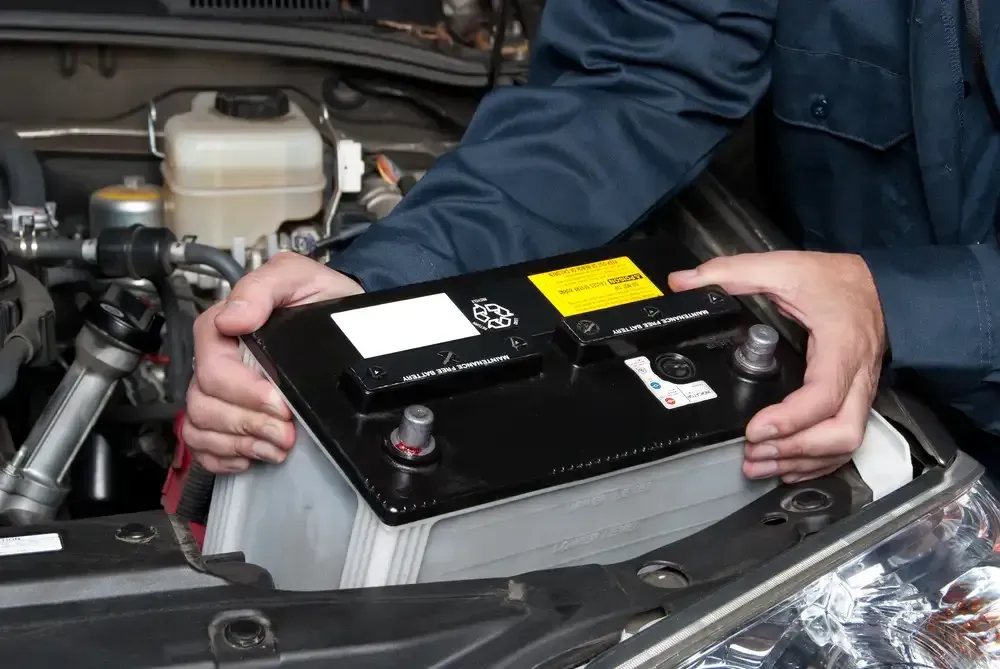
Test Your Battery Before the Temperature Drops
Cold weather can be tough on your vehicle's battery. A battery that seemed fine during warmer weather may struggle once temperatures begin to fall.
If your engine is cranking slowly, your lights seem dim, or your battery is several years old, it is a good idea to have it tested before winter.
A professional battery service can help determine whether your battery has enough power to handle another Idaho winter.
It is also worth remembering that summer heat can weaken a battery long before cold weather exposes the problem. Learn more in our article about why car batteries often fail after summer heat in Boise.
Check Your Tires and Tire Pressure
Your tires are your vehicle's connection to the road, which makes them especially important when driving on wet, icy, or snow-covered pavement.
Before winter, check your tires for:
- Adequate tread depth
- Uneven or excessive wear
- Cracks, bulges, or other visible damage
- Proper tire pressure
Cold temperatures can cause tire pressure to decrease, so check it regularly throughout the season.
If your vehicle pulls to one side or you notice uneven tire wear, a wheel alignment may also be needed.
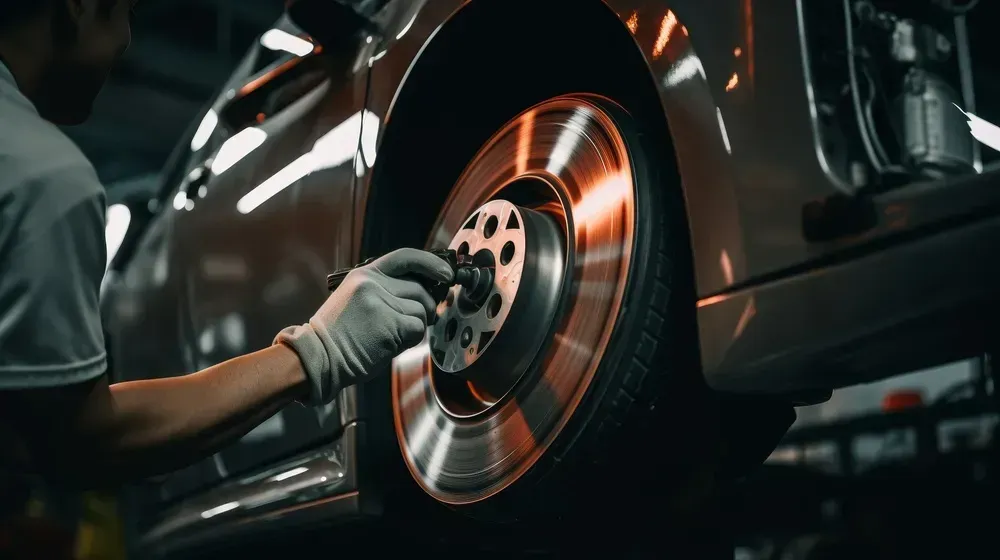
Make Sure Your Brakes Are Ready for Winter
Good brakes matter year-round, but they become even more important when road conditions are slippery.
Pay attention to warning signs such as:
- Squealing or grinding noises
- A soft or spongy brake pedal
- Vibration while braking
- A vehicle that pulls when stopping
- Longer stopping distances
If something does not feel right, schedule a brake inspection or brake repair before winter conditions make stopping even more challenging.
Check Your Coolant and Cooling System
Your cooling system does more than prevent your engine from overheating. Coolant also protects the engine during freezing temperatures.
Before winter, make sure your coolant is at the proper level and in good condition. Aging coolant, leaks, damaged hoses, or cooling system problems should be addressed before temperatures drop.
A cooling system problem that seems minor during fall can quickly become a much larger issue during freezing weather.
Inspect Your Wipers and Windshield Washer System
Clear visibility is essential when driving through snow, rain, and winter road spray.
Replace windshield wipers that:
- Leave streaks
- Skip across the windshield
- Have cracked or damaged rubber
- Do not clear the glass effectively
You should also make sure your windshield washer reservoir is full with fluid designed for colder temperatures.
Check Your Heating and Defrosting System
Your heater keeps the cabin comfortable, but your defroster is also an important safety feature.
Before the coldest weather arrives, test your:
- Heater
- Front defroster
- Rear defroster
- Blower fan
If your vehicle takes a long time to warm up, the heater is blowing cold air, or the windshield does not clear properly, have the system inspected.
Inspect Your Suspension and Steering
Potholes, rough roads, snow, and ice can all make winter driving harder on your vehicle's steering and suspension components.
Problems with shocks, struts, steering components, or alignment can affect how your vehicle handles when traction is limited.
If you notice bouncing, pulling, unusual tire wear, loose steering, or knocking noises, consider scheduling a suspension inspection before winter.
Stay Current on Preventative Maintenance
Winter is easier on a well-maintained vehicle.
Before the season changes, review your vehicle's maintenance needs, including:
- Oil and filter changes
- Fluid levels
- Belts and hoses
- Air filters
- Battery condition
- Brakes
- Tires
- Lights
- Wipers
Following a regular preventative maintenance schedule can help identify small problems before they turn into unexpected repairs.
Put Together a Winter Emergency Kit
Even a properly maintained vehicle can encounter delays during severe winter weather.
Consider keeping a basic emergency kit in your vehicle with items such as:
- Ice scraper and snow brush
- Warm gloves and blankets
- Flashlight
- Phone charger
- Jumper cables
- Drinking water
- Basic first-aid supplies
- Small shovel
- Traction material
It is also a good idea to keep your fuel tank from getting too low during especially cold or snowy weather.
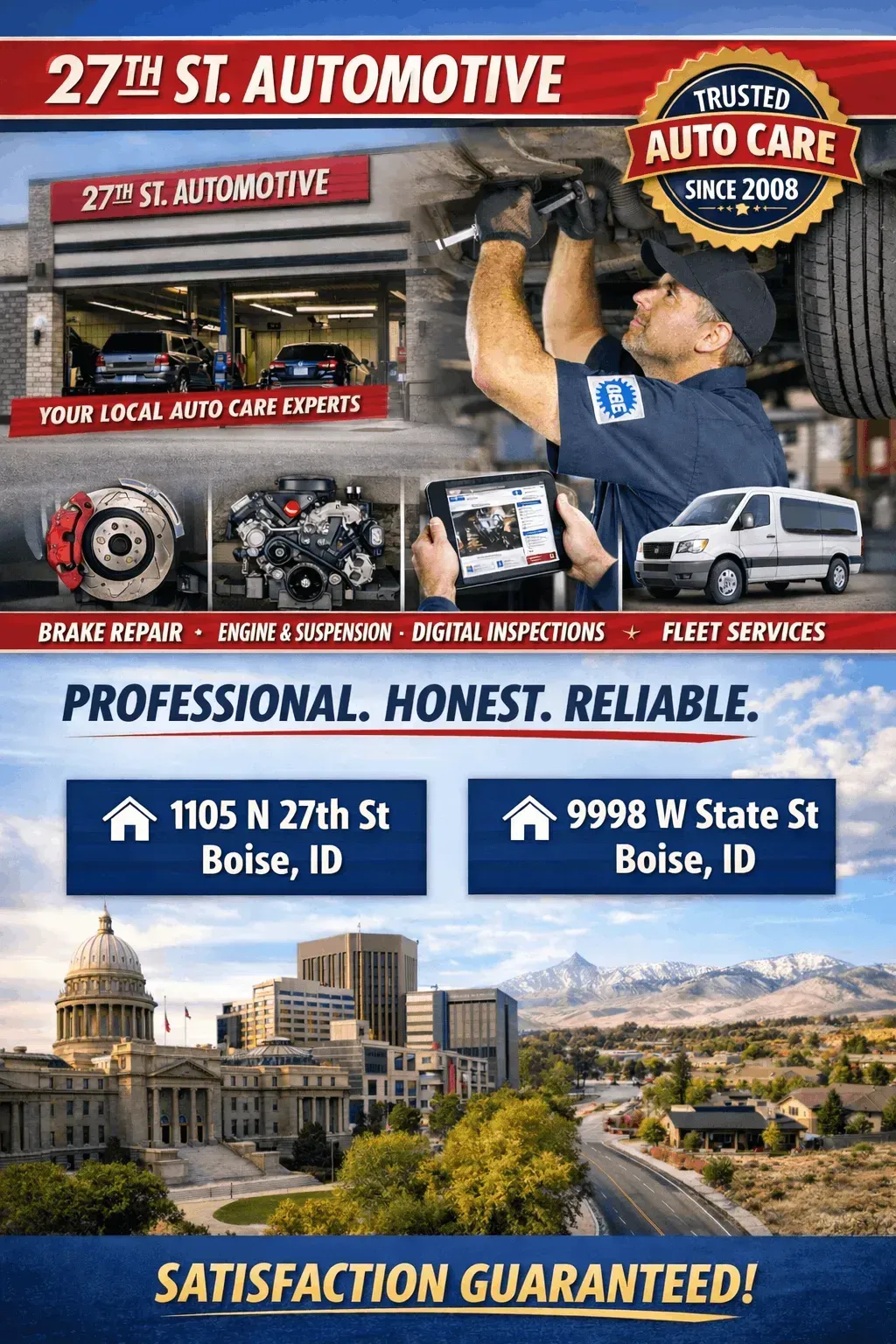
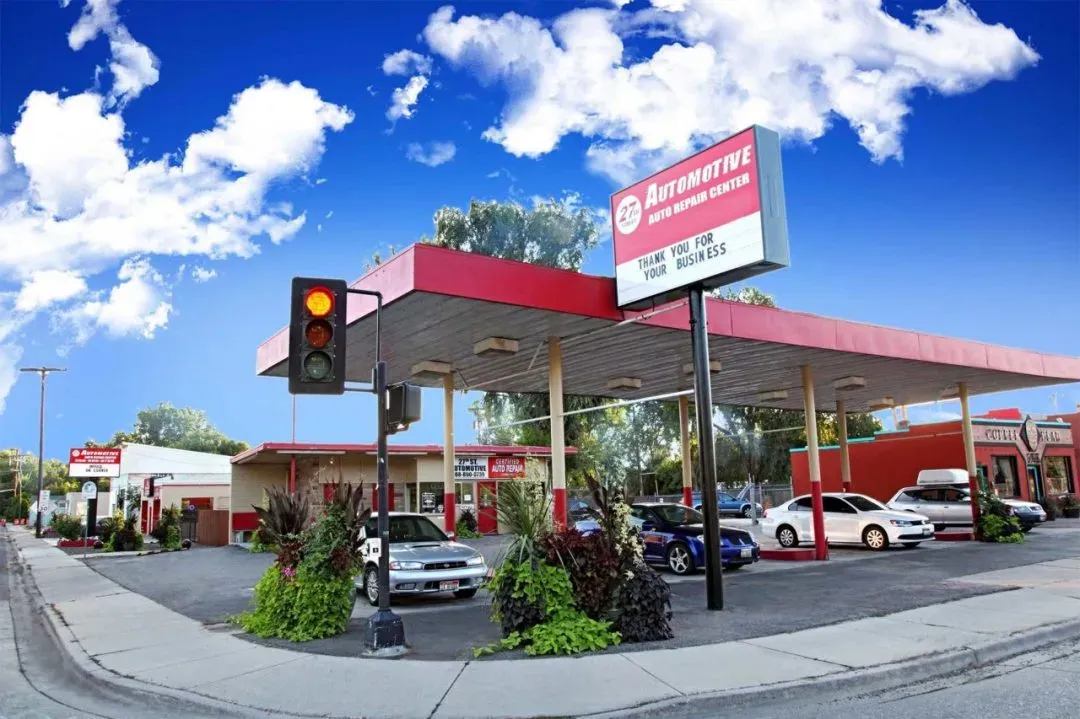
Get Your Vehicle Winter-Ready at 27th St Automotive
Preparing your vehicle before winter gives you time to address worn or damaged components before freezing temperatures and winter roads put additional stress on your car.
The team at 27th St Automotive can inspect your vehicle, review any maintenance concerns, and help you prepare for the winter driving season in the Boise area.
Whether you need battery service, brake repair, preventative maintenance, suspension service, or another auto repair, taking care of it before the first major winter storm can help keep you on the road.
Frequently Asked Questions About Winter Car Maintenance
When should I prepare my vehicle for winter?
Fall is a good time to have your vehicle checked. Preparing early gives you time to address battery, tire, brake, cooling system, or maintenance concerns before freezing temperatures arrive.
Why do car batteries fail more often in cold weather?
Cold temperatures reduce a battery's available power while the engine requires more energy to start. A battery that has already been weakened by age or summer heat may have trouble once temperatures drop.
Does cold weather affect tire pressure?
Yes. Tire pressure typically decreases as temperatures fall. Check your tire pressure regularly during winter and inflate the tires according to your vehicle manufacturer's recommendations.
What should I check before driving in snow?
Check your tires, brakes, battery, lights, windshield wipers, washer fluid, coolant, heater, and defroster. It is also a good idea to carry basic winter emergency supplies.
Should I have my brakes inspected before winter?
If your brakes are making noise, vibrating, pulling, or taking longer to stop, they should be inspected. Reliable braking is especially important when roads are wet, snowy, or icy.
How can preventative maintenance help during winter?
Preventative maintenance can identify worn parts, low fluids, battery problems, damaged belts and hoses, and other concerns before they cause a breakdown during cold weather.
Where can I get my vehicle ready for winter in Boise?
27th St Automotive provides automotive maintenance and repair services for drivers in the Boise area. Contact the shop to have your vehicle checked before winter.