
Common Brake Problems Every Boise Driver Should Know
Your brakes are one of the most important safety systems on your vehicle. Whether you're commuting through downtown Boise, traveling along State Street, or heading into the foothills, dependable brakes help keep you, your passengers, and everyone else on the road safe.
Unfortunately, many brake issues develop gradually, making them easy to overlook until they become more expensive—or even dangerous. Recognizing the early warning signs can help you avoid costly repairs while maintaining confidence behind the wheel.
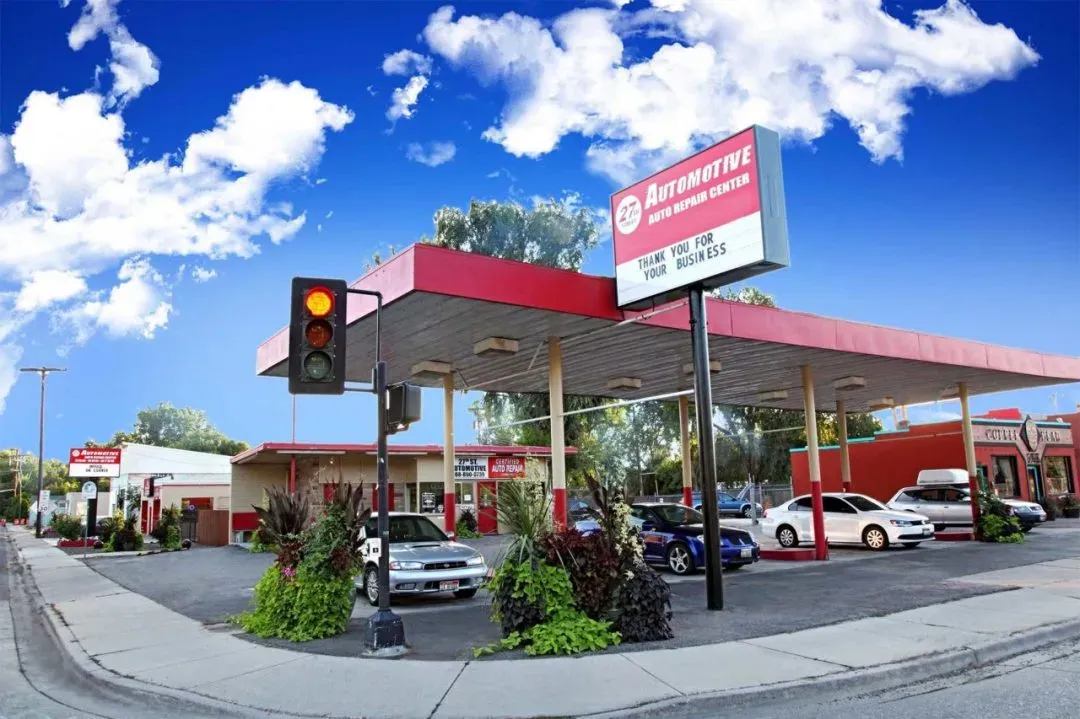
At 27th St. Automotive , we provide professional brake repair in Boise, ID, helping drivers identify problems early and restore safe, reliable stopping performance.
Common Signs Your Brakes Need Attention
If you notice any of the following symptoms, it may be time to schedule a brake inspection:
- Squealing or squeaking when braking
- Grinding noises
- Vibrations or pulsation in the brake pedal
- A soft or spongy brake pedal
- Your vehicle pulling to one side while braking
- Increased stopping distance
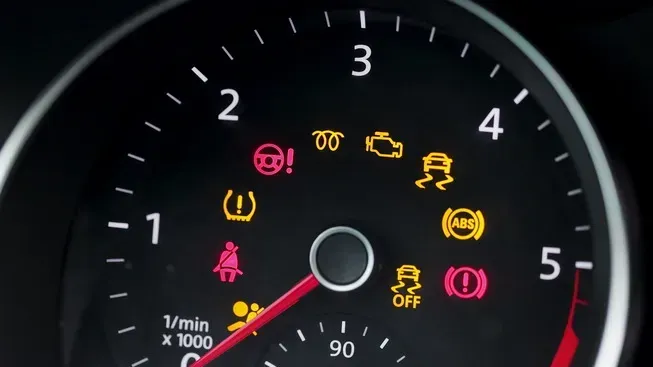
- An illuminated brake warning light
These symptoms often begin as minor issues but can quickly develop into more extensive repairs if ignored.
Why Are My Brakes Making Noise?
Brake noise is one of the most common reasons drivers visit our shop. Different sounds can indicate different types of brake wear or damage.
Squealing Brakes
Many brake pads include built-in wear indicators that create a high-pitched squeal when the pads are nearing the end of their service life. This warning is designed to let you know that it is time for an inspection before additional damage occurs.
Occasional squeaking can also be caused by moisture, dust, or certain brake pad materials. However, persistent squealing should always be inspected.
Grinding Brakes
Grinding often indicates that the brake pads have worn completely through, allowing metal components to contact the brake rotors. Continuing to drive in this condition can damage the rotors and significantly increase the cost of the repair.
If you hear grinding when braking, schedule a professional inspection as soon as possible.
Brake Vibrations Should Never Be Ignored
If your steering wheel or brake pedal shakes while slowing down, the brake rotors may have become uneven due to heat, wear, or repeated hard braking.
Brake vibration can reduce braking performance and often worsens over time. Depending on their condition and manufacturer specifications, the rotors may need to be resurfaced or replaced.
Addressing the issue early may help prevent additional wear to the brake pads, calipers, and other braking components.
What Causes a Soft or Spongy Brake Pedal?
A brake pedal that feels soft, spongy, or sinks toward the floor may indicate a problem with the hydraulic braking system. Possible causes include:
- Air in the brake lines
- Old or contaminated brake fluid
- A brake fluid leak
- A damaged brake hose
- A failing master cylinder
- Problems with a brake caliper or wheel cylinder
Because these issues can directly affect your vehicle's ability to stop, they should be inspected immediately.
Why Does My Vehicle Pull While Braking?
If your vehicle pulls to the left or right when you apply the brakes, the braking force may not be distributed evenly between the wheels.
This can be caused by:
- Uneven brake pad wear
- A sticking or damaged brake caliper
- Contaminated brake pads or rotors
- A restricted brake hose
- Tire pressure or alignment problems
A complete inspection can determine whether the pulling is caused by the braking system, tires, steering, or suspension.
Brake Repairs Involve More Than Brake Pads
Modern braking systems include several components that must work together to slow and stop your vehicle safely. These components may include:
- Brake pads or brake shoes
- Brake rotors or drums
- Brake calipers
- Brake fluid
- Brake hoses and lines
- The master cylinder
- Wheel cylinders
- Anti-lock braking system components
Replacing brake pads without inspecting the rest of the system may leave an underlying problem unresolved. A complete brake inspection evaluates the entire system so the recommended repair addresses the cause of the problem—not just the symptom.
Preventive Brake Maintenance Can Save Money
Routine brake inspections help identify normal wear before it causes damage to more expensive components.
The benefits of preventive brake maintenance include:
- Longer brake component life
- More consistent stopping performance
- Reduced risk of unexpected brake problems
- Lower long-term repair costs
- Greater confidence behind the wheel
During a brake inspection, our technicians may evaluate brake pad thickness, rotor condition, brake fluid, hydraulic components, warning lights, and overall braking performance.
Trusted Brake Repair in Boise, ID
At 27th St. Automotive , we believe every driver deserves confidence each time they press the brake pedal. Our experienced technicians perform thorough inspections, explain their findings clearly, and provide recommendations based on your vehicle's condition.
Whether your vehicle needs new brake pads, brake rotor replacement, brake fluid service, hydraulic repairs, or a complete brake system inspection, our team is ready to help.
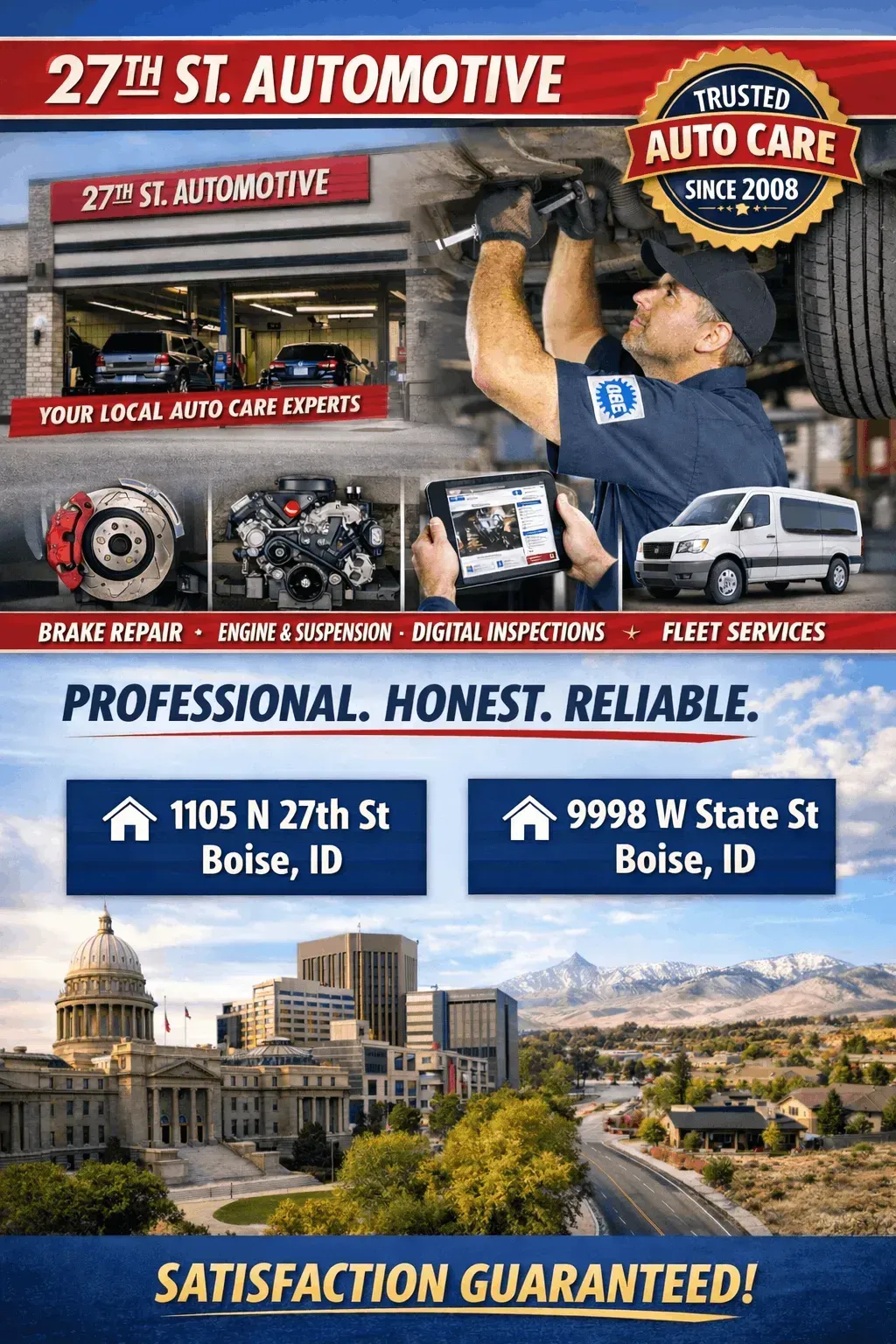
Visit either of our convenient Boise locations:
- 9998 W State St, Boise, ID
- 1105 N 27th St, Boise, ID
If you have noticed unusual brake noises, vibrations, a soft pedal, or reduced stopping performance, do not wait for the problem to become more serious.
Schedule a brake inspection with 27th St. Automotive today and drive with confidence.